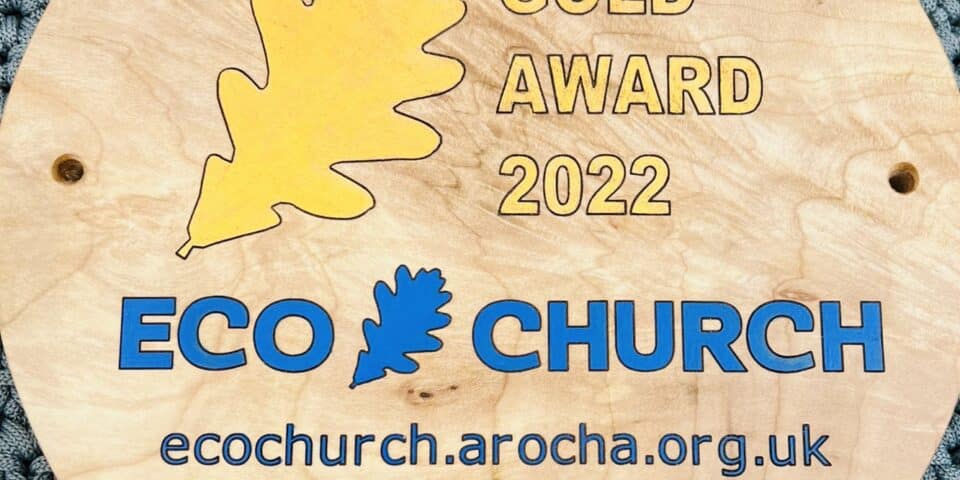
St Andrew's Uxbridge: A Journey to Eco Church Gold

In celebration of our seven churches in the Diocese of London who have been awarded Gold Eco Church awards we have asked each church to share their journey to the award. Today we hear from St Andrew’s Uxbridge in the west of the diocese, who were awarded gold in 2025.
For St Andrew’s, Uxbridge, achieving Eco Church Gold has been about far more than receiving an award. It has been a journey of faith, community, and creation care that has transformed both the church grounds and the church’s relationship with its local community.
Where it all began
St Andrew’s first became involved with Eco Church after members of the congregation were inspired by the work of A Rocha UK and a Harvest preach at the church by Revd, Dave Bookless Head of Theology for A Rocha International.
What started as conversations following Harvest celebrations soon developed into a dedicated Eco Church group, committed to exploring how environmental stewardship could become a more visible expression of the church’s mission. Their efforts quickly bore fruit. The church achieved Bronze Eco Church in February 2021 and Silver later the same year.
A community garden grows
One of the most significant developments has been the transformation of an underused area of church land into a thriving community garden.
Today, the space includes:
- Raised beds growing fruit, vegetables and herbs
- Sensory planting areas
- Dedicated spaces for prayer and reflection
- Wildlife-friendly habitats
- Accessible pathways and ramps
- Areas designed to support people of all ages and abilities
The garden has become a place where local residents can learn, grow food, meet neighbours and reconnect with nature.
“The project has helped create a welcoming space where community, wellbeing and care for creation come together.”

After achieving Silver, the challenge became how to continue moving forward.
A visit from Bishop Lusa (pictured), together with a generous legacy donation, provided fresh momentum and enabled the church to think more ambitiously about its future.
That vision centred on creating a church environment where people, nature and faith could flourish together.
Reducing the church’s carbon footprint
Alongside improvements to its land, St Andrew’s has taken practical steps to reduce carbon emissions.
Measures have included:
- LED lighting upgrades
- Motion sensors
- Improved insulation
- Water-saving initiatives
- More efficient heating controls
- Better energy management through programmable thermostats
In 2024, the church committed to reducing its carbon footprint by 45% over three years, demonstrating that environmental stewardship is now firmly embedded within parish planning. Future ambitions include installing solar panels and exploring additional opportunities to improve energy efficiency.
Making space for wildlife
Biodiversity has become another key part of St Andrew’s Eco Church journey.
Through a dedicated Land Management Plan, the church has introduced:
- Wildlife surveys and monitoring
- Native planting schemes
- Wildflower areas
- Composting systems
- Rainwater harvesting
- Organic gardening methods
Fruit trees, pollinator-friendly planting and improved habitats are helping to create a richer environment for local wildlife while providing practical examples of creation care.
Reaching beyond the church gates
The impact of the project extends far beyond the church grounds. Partnerships with schools, community groups and local organisations have opened up opportunities for environmental education, gardening projects and wildlife activities. Regular events and volunteering opportunities have strengthened community relationships, while eco themes have become increasingly visible within worship and church life through Harvest celebrations, outdoor activities and other seasonal events.
Lessons learned
The journey to Gold has not been without challenges.
Developing the land required careful planning, volunteer commitment and significant collaboration. Carbon reduction improvements have needed long-term investment and ongoing monitoring. Yet these challenges have also become opportunities for learning, creativity and shared purpose.
Looking ahead
Although achieving Eco Church Gold is a major milestone, St Andrew’s sees it as the beginning of a new chapter rather than the end of the journey.
Future plans include:
- Solar panels
- EV charging points
- Expanded composting facilities
- Further biodiversity improvements
- Forest Church activities
- A legacy fund to support ongoing sustainability work
By continuing to invest in creation care, St Andrew’s hopes to inspire others to see how environmental action can become an integral part of the Church’s mission.
You can find out more about the Eco Church work happening in the Uxbridge Combined Benefice on their dedicated Facebook page
