New clergy and lay members are being elected to General Synod this year – and you are invited to stand as a candidate.
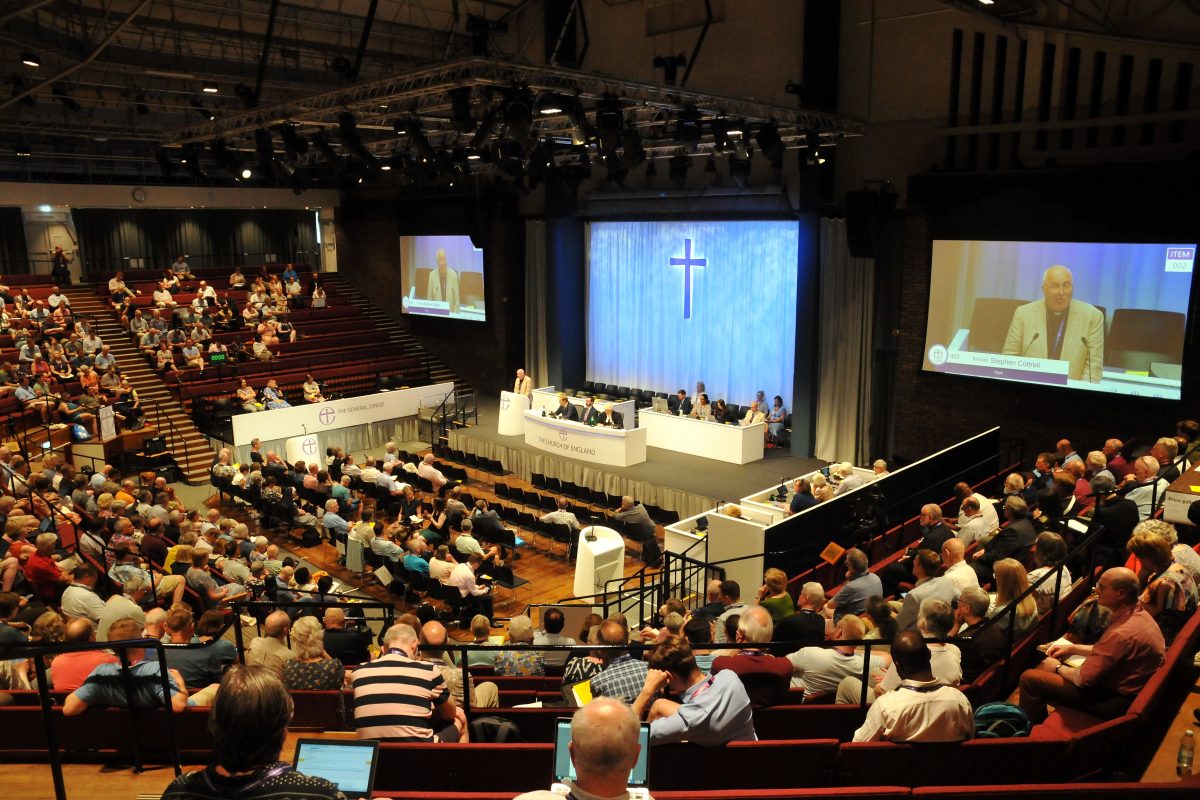
General Synod is the national assembly of the Church of England. It shapes and approves laws that affect the whole of the Church of England. It agrees new forms of worship, debates matters of national and international importance and approves the annual budget for the work of the Church at national level.
In Autumn 2026, elections are happening for new General Synod members. Those elected will serve for five years. Members are a mixture of bishops, clergy and lay people.
Almost anyone who attends church regularly is likely to be eligible to stand as a lay member. You don’t need to be a member of a PCC, Deanery Synod or Diocesan Synod.
We are looking for candidates who represent the whole range of people and churches in the Church of England. We particularly welcome candidates whose background may currently be underrepresented.
There is a supportive induction programme to help new members in their roles.
Why stand?
- Opportunity to represent the concerns of your community and your diocese at a national level.
- Have a say in national legislation that affects all parts of the Church of England.
- Raise issues and contribute to debates on social and policy matters.
- Can be enormously rewarding.
- Meet other Anglicans from across the country and the world.
What does a General Synod member do?
Members speak in debates, propose and vote on motions, serve on committees and review legislation.
Do I need special skills?
You will need to be able to show you are someone who listens with an open mind, who is able to reflect prayerfully on issues, and who is able to confidently contribute to discussions.
We are looking for candidates who represent the whole range of people and churches in the Church of England.
You don’t need any previous experience in making speeches. You don’t need to be a member of a PCC, Deanery Synod or Diocesan Synod.
It doesn’t matter if you don’t know everything about how the Church operates or how General Synod works – people will help you with this if you do get elected. There is a supportive induction programme.
What is the commitment?
If elected, you would be expected to attend each meeting of Synod for the next five years. It is possible to attend all General Synod meetings either in person or online.
Each meeting lasts five days and there are usually two meetings per year, one in London and one in York. In your first year, you would also attend an additional three-day meeting in London.
Do I get paid for this?
The role is voluntary and unpaid. Members’ travel and accommodation expenses are covered.
I’m interested, what’s the next steps?
If you would like to stand as a lay member, use the eligibility checker on the Elections to Synod page of the Church of England website as a guide, and then contact The Governance Team at the Diocese of London for more information and to confirm your eligibility.
If you don’t wish to stand but know someone who you think should consider standing, please pass this information on to them.
How the election process works and key dates:
- Eligibility: Use the eligibility checker on the Church of England website to find out if you are eligible.
- Nominations: If you are standing as a lay member, you will then need two people who are members of a Deanery Synod to nominate you. If you are clergy, you will need two other clergy to nominate you. Nominations forms will be sent to electors (Deanery Synod members) when nominations open on 14 August and close on 7 September.
- Statements: You will need to write an election statement and may be asked to record a video or give a short talk at an event. Statements are an opportunity to talk about why you want to be elected and what you could bring to the role.
- Voting: The lay Deanery Synod members in your diocese vote for lay candidates, and the clergy in your diocese vote for clergy candidates. The voting period is 21 September to 13 October.
- Results: If elected, you would come to General Synod for the first time at its meeting in London this November.
More information is available in the graphic below.
Frequently Asked Questions
- Lay member of Deanery synods vote for lay members of General Synod for their diocese.
- All clergy in each diocese can vote for clergy members of General Synod from their diocese.
Almost anyone who attends a Church of England church regularly is eligible to stand as a lay member of General Synod.
- If you are part of a parish church, to be eligible you simply need to be aged 18 or over, confirmed, on the electoral roll, and have taken communion at least three times in the past year.
- Requirements vary for people who have been baptised in another trinitarian church, who worship in cathedral churches or other worshipping communities, or who are members of religious communities or the armed forces. More detail is explained in Part 5 of the Church Representation Rules.
- You are not allowed to stand if you are disqualified from holding office under safeguarding provisions, if you work for the National Church Institutions, or in some other circumstances. More detail on who is disqualified is explained in Part 7 of the Church Representation Rules.
- General Synod is a fantastic opportunity to represent the concerns of your community and your diocese at a national level.
- You can have a say in national legislation that affects all parts of the Church of England.
- You can raise issues and contribute to debates on social and policy matters.
- You will be involved in the national governance of the Church and will have a greater understanding of how the national church functions.
- You will meet other Anglicans from across the country and the world.
- General Synod can also be enormously rewarding and even fun!
General Synod is the national assembly of the Church of England. It shapes and approves laws that affect the whole of the Church of England. It agrees new forms of worship, debates matters of national and international importance, and approves the annual budget for the work of the Church at national level.
General Synod members are a mixture of bishops, clergy and lay people. Clergy means vicars, and lay people means anyone who is not a vicar.
All diocesan bishops are automatically members of General Synod and some suffragan bishops are elected to General Synod as well. Diocesan bishops are the lead bishop in each diocese. They are supported by suffragan bishops.
Clergy and lay members of General Synod are elected.
Members speak in debates, propose and vote on motions, serve on committees and review legislation.
Members speak and vote from their own viewpoints and report back to their diocese about key discussions and outcomes that have happened at General Synod.
You can get a sense of what happens by watching previous General Synod meeting recordings.
To give you an idea of the kind of issues that General Synod handles, here are some key topics that have been debated, amended and approved by General Synod in the past five years:
- changes to the Church’s safeguarding structure
- agreement of key milestones for how the Church can reach Net Zero Carbon
- regulations enabling improvements to clergy pensions benefits
- update to how clergy discipline and complaints are handled
- setting parochial fees
- backing a diocesan motion to encourage sustainable church flowers
- establishing a day of prayer for the global persecuted church
- introduction of Prayers of Love and Faith, enabling clergy to offer blessings for same-sex couples within regular services
- modernising how Church funds are ethically invested and enhancing accountability in financial stewardship.