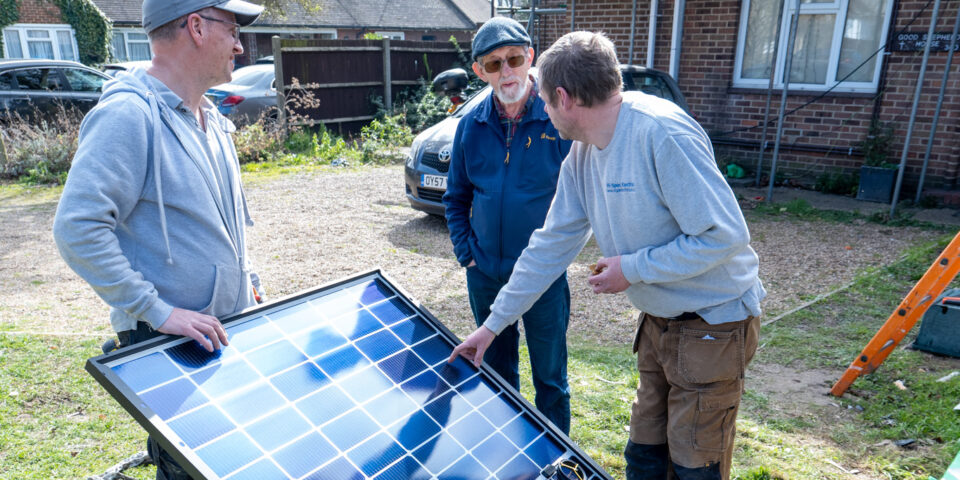
Hope Church Hounslow is a vibrant Christian community close to Heathrow Airport in NW London. Based across two sites – St Paul’s and the Good Shepherd – Hope church expresses the love of Christ by seeking to meet the spiritual, practical, emotional and social needs of their local community through a myriad of projects.
Hope church are now demonstrating their care for God’s creation through a significant refurbishment project on their 1956 Good Shepherd church building.
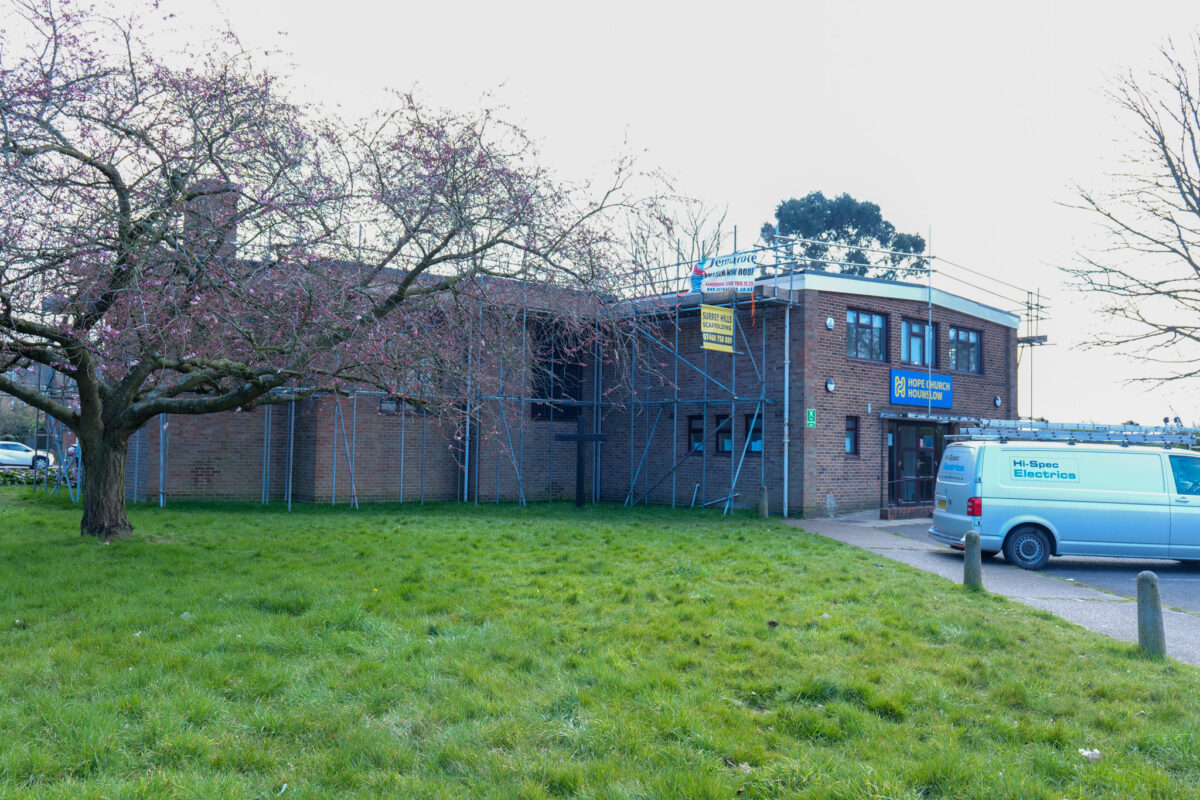

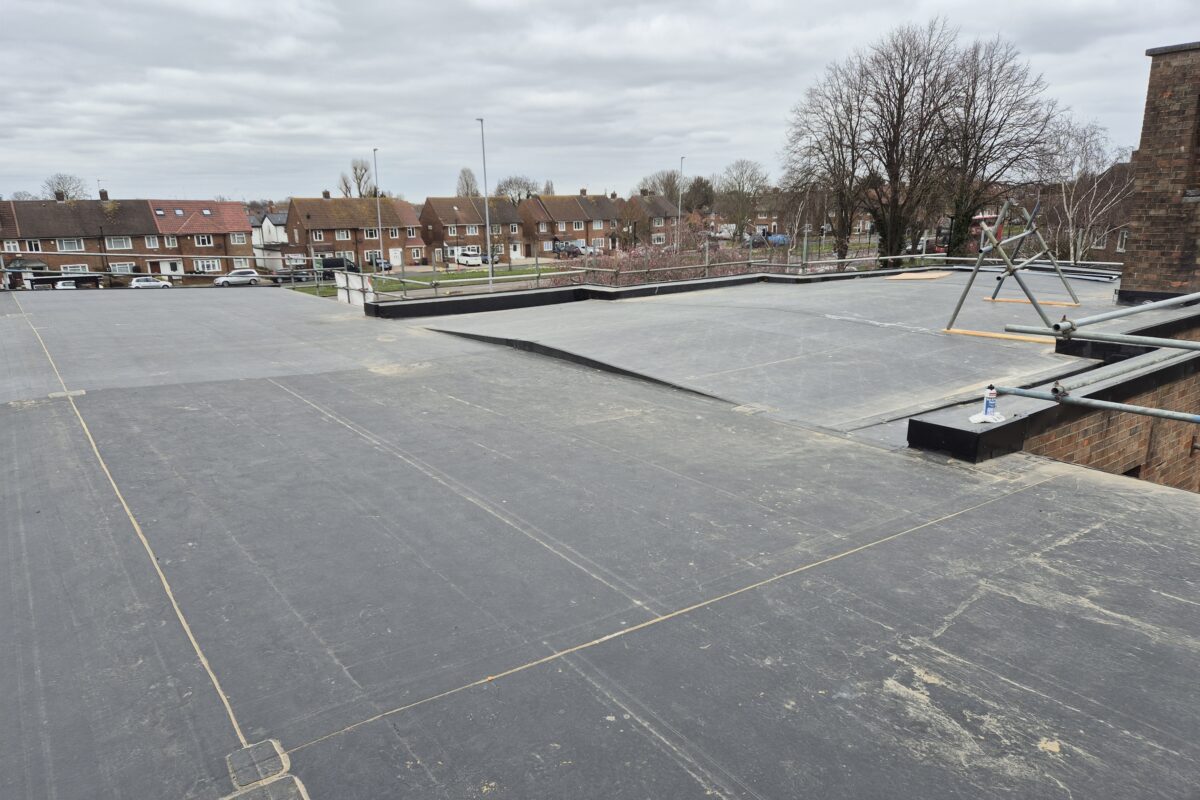
Good Shepherd houses a church hall and vicarage under one large flat roof.
That roof was leaking and in desperate need of repair and the church was successful in applying for a government Voluntary Community and Social Enterprise (VSCE) Energy Efficiency grant, which has been an absolute game-changer.
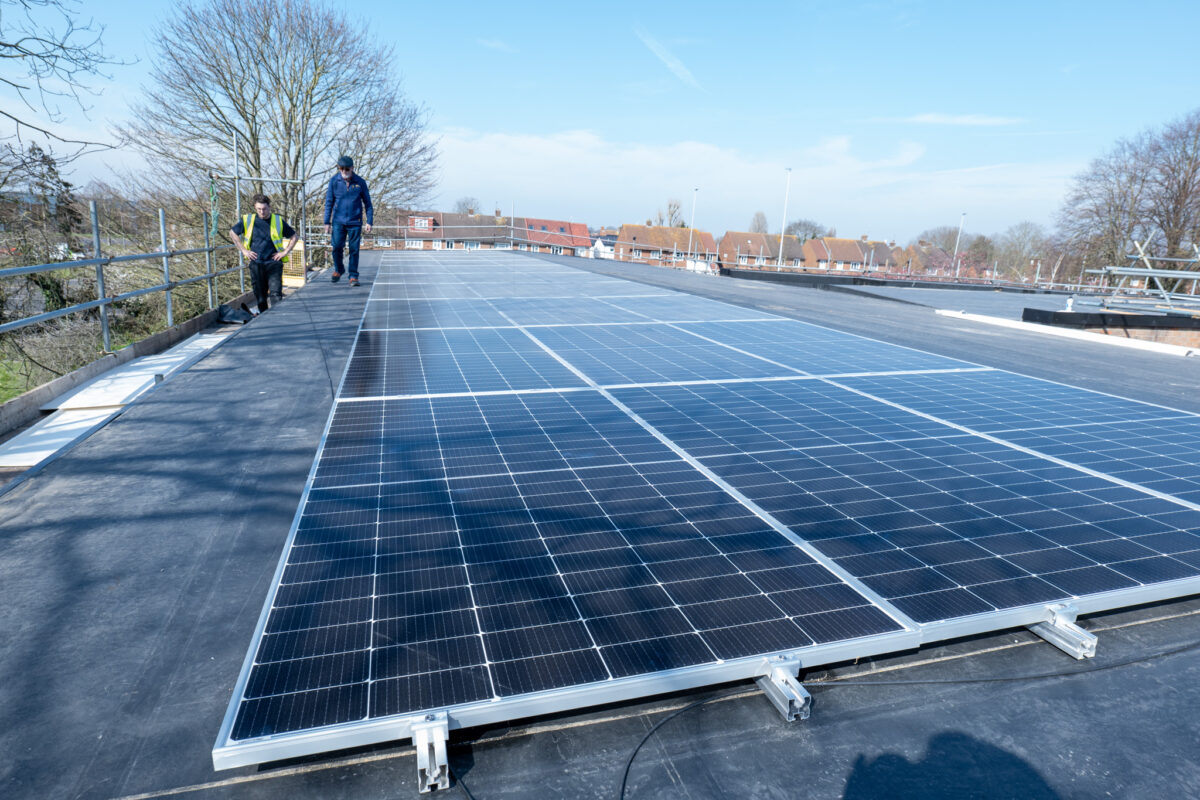
The result is a completely new, insulated roof covering for the church and vicarage, 38 solar panels, LED lighting and smart building management that will radically reduce the building’s carbon footprint, increase energy efficiency and reduce costs.

The entire project was delivered within just nine months, a testament to the commitment and collaborative approach of everyone involved.
Graham Neilsen, part of the original church-planting group from St Stephen’s Twickenham 14 years ago, has served as buildings manager throughout that time and oversaw the recent works. He explains that the grant application process began last June and included detailing the wide range of community activities hosted by the church. In November, the church found out they had been successful and was awarded £133,000 to support insulation, solar installation and lighting upgrades.
By early January, planning permission was in place and contractors were appointed, allowing work to begin swiftly. Like any building project, it was not without its challenges, but the team worked closely with partners to ensure everything stayed on track and within scope.
Good relationships have been at the heart of this project. As part of their clergy housing improvement programme, the diocese were able to contribute to roof insulation and solar panels for the vicarage part of the building. All the works were completed at the end of March – a condition of the VSCE grant.
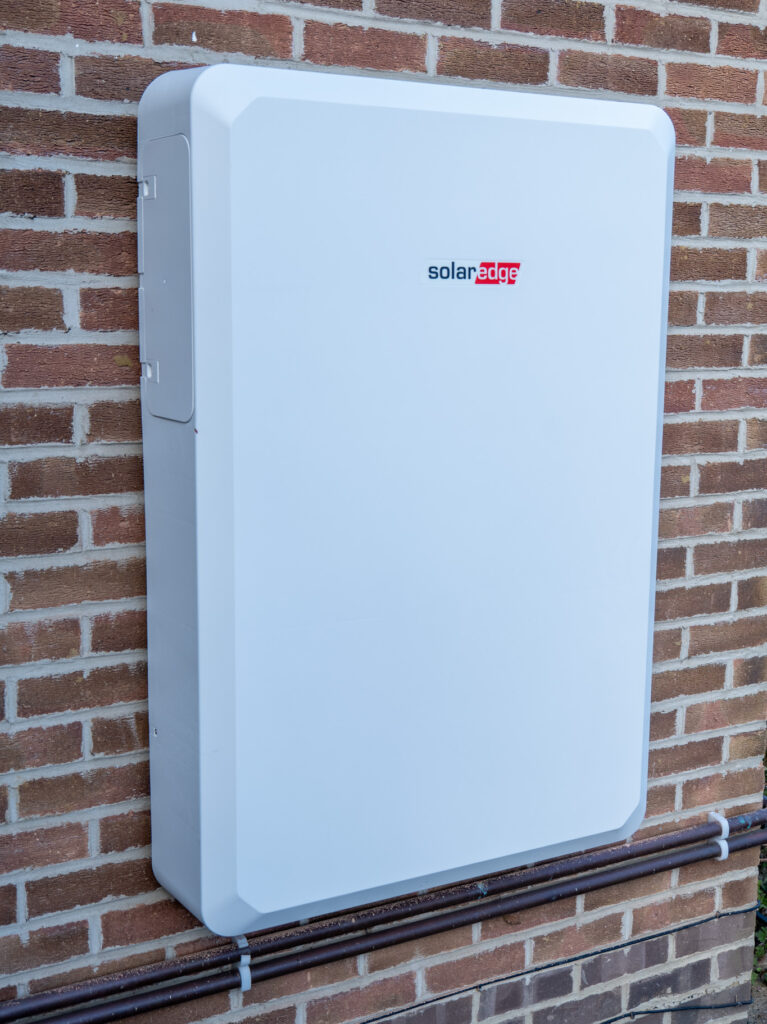
The 38 solar panels harness power stored in two 10kw batteries providing energy for church and vicarage respectively. With LED lighting and smart management, costs are kept to a minimum.


On the day I visit, under cloudless blue skies and bright sunshine, Kevin and James from Hi-Spec Electrics are installing the remaining panels and are enthusiastic about churches going down the solar route. The price of panels and batteries have come down significantly in recent years. It’s not as expensive as you think.
And once installed solar panels immediately start making money. The panels on the Good Shepherd are already generating more power than the church needs and they will shortly begin selling power to the national grid. It’s projected that the project will pay for itself within 5-6 years. Since the works were completely grant funded, this is profit for the church to plough back into its community projects.
| AT A GLANCE |
| What was done? |
|
| Reasons for action? |
|
| Costs |
CHURCH
VICARAGE
PROJECT MANAGEMENT
|
| Funding |
CHURCH
VICARAGE
|
| Length of time |
| 9 months |
| Impact |
|
| Lessons learnt |
|