Children’s Ministry Advisor, Sarah Agnew reflects on Hannah Montana nostalgia, parenting and faith development, exploring how churches can offer children and families belonging, stability and hope in a fast-moving world. She considers the role of children’s ministry, trusted adults and everyday faith in shaping the next generation.
If you have spent any time online recently, you have probably noticed that the internet has become strangely obsessed with the 2000s again. Hannah Montana has turned twenty. High School Musical is celebrating its anniversary. Hilary Duff is touring again. Suddenly, the soundtracks, TV shows and childhood icons many of us grew up with are back everywhere.
For many adults raising children today, this return to childhood favourites has felt surprisingly emotional. It is not just nostalgia. It is something deeper.
Shows like Hannah Montana remind many of us of a childhood that felt slower, steadier and less pressured. We remember coming home from school, turning on Disney Channel and knowing exactly what would be there. We remember routines that felt predictable, friendships that formed in person, and afternoons spent outdoors until it got dark.
Parenting in a Faster World
Of course, no generation’s childhood was perfect. But many parents today quietly long for their children to experience some of that same sense of safety, imagination and simplicity.
Parenting today can feel relentless. Children are growing up in a world of constant noise, comparison and pressure. Screens follow families everywhere. Information moves quickly. Life often feels hurried. Many parents are trying their best whilst carrying a huge amount emotionally, financially and mentally.
That is why these cultural comebacks resonate so strongly. They remind people what it felt like to be grounded.
As I have watched this wave of nostalgia unfold, I have found myself thinking about faith development and the role churches play in the lives of children and families.
Because in many ways, faith offers something very similar.
Faith as a Source of Steadiness
In the middle of busy family life, faith can become a source of steadiness. Not another pressure to manage, but something that roots us. God’s love and presence remain constant even when everything around us feels uncertain or fast moving.
The world children are growing up in may look very different from the one many adults remember, but children still need the same core things they always have. They need kindness. Routine. Story. Belonging. Trusted adults. Space to ask questions. Space to grow.
Children do not need perfect answers all the time. Often, they simply need to know that they are loved, valued and safe.
This is where faith begins to take root.
How Faith Develops in Everyday Life
Faith development rarely happens through one big moment. More often, it grows slowly through everyday experiences and relationships. Children often experience faith long before they can fully explain it.
They encounter it through:
- adults who listen and show up consistently
- stories that spark wonder and imagination
- routines that help them feel secure
- moments of prayer and stillness
- communities where they know they belong
- acts of kindness, joy and encouragement
Faith is deeply relational. Children learn what faith looks like by seeing it lived out around them.
That is why children’s ministry matters so much.
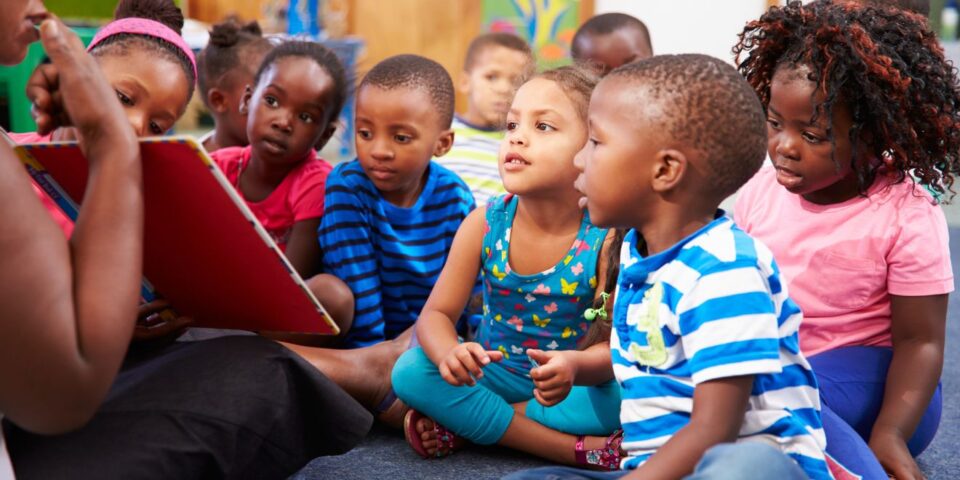
Good children’s ministry is not about creating the loudest programme or competing with everything else demanding a family’s attention. At its best, it creates spaces where children feel welcomed, known and loved. It offers stability, trusted relationships and opportunities to encounter God in ways that make sense to them.
Church can become one of the few places where children are not valued for achievement, performance or popularity, but simply for who they are.
Supporting Parents and Carers
Importantly, children’s ministry also means supporting parents and carers.
We are not just running groups for children. We are walking alongside the adults raising them. Many parents today are exhausted. Some feel isolated. Some worry they are getting everything wrong. Church communities have an opportunity to offer encouragement, support and reassurance.
Often, this happens through very small things:
- checking in with a parent after a session
- remembering a child’s name
- sharing a helpful resource
- creating consistent routines
- simply being present week after week
Those things matter more than we sometimes realise.
Offering the Next Generation a Place to Belong
Seeing these anniversaries and comeback tours has reminded me how much small moments of consistency shaped my own childhood. Those TV shows did not solve life’s problems, but they gave many of us familiarity, joy and comfort in ordinary ways.
Churches have the opportunity to offer something deeper still.
Not by recreating the past or pretending life was ever perfect, but by helping children and families experience belonging, stability and hope in the present. Faith gives us a foundation that does not disappear when culture changes or life becomes uncertain.
Perhaps that is the real “best of both worlds”. Taking the things that grounded us growing up, then offering them to the next generation through communities shaped by love, faith and consistency.
Because children still need places where they feel safe. They still need adults who care. They still need stories that help them make sense of the world and their place within it.
And they still need to know that God is with them through it all.