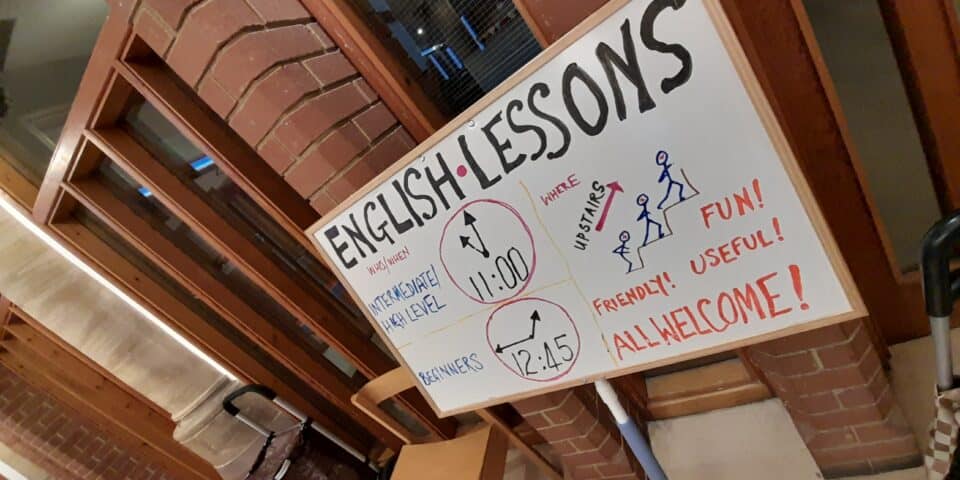
We’re launching a new Diocese of London toolkit to help any church set up or strengthen English classes, conversation clubs and English cafés. The toolkit shares practical guidance, trusted resources and links. We also want to celebrate the many churches already offering this ministry across the capital, quietly meeting a vital need and helping neighbours grow in confidence, connection and belonging.
How learning English can tackle isolation
Across London, the need for English Language teaching is widespread.
Data from the most recent (2021) Census shows us that roughly one in five Londoners speak another main language as their first language (English being their second or third language). About 7% report that they cannot speak English well or cannot speak English at all.
Behind these headline figures are many different stories: some people are recent arrivals who have had little opportunity to learn English before coming to the UK; others have been here for years but are held back by long working hours, caring responsibilities, ill health, trauma, or a lack of affordable, local ESOL (English for Speakers of Other Languages) provision at the right level.
London is also home to a large number of international students, who often can feel isolated during their few years studying here; English language classes, therefore, can help people make friends whilst also practising conversational English.
Whatever the cause, this language barrier can leave people isolated and unable to fully participate in everyday life – from speaking to a GP or a child’s teacher, to building friendships, finding work, and accessing support and services. It also can prevent people understanding their council tax bill or calling their mobile phone provider, for example.
Unmet English language needs present a barrier to pretty much all forms of social inclusion, from work, to making friends, to supporting children in school. If a church cares about social exclusion – it should care about this issue.
Mark Winterburn
English Conversation Classes Volunteer Leader at St Saviour’s Finsbury Park
How local churches are responding
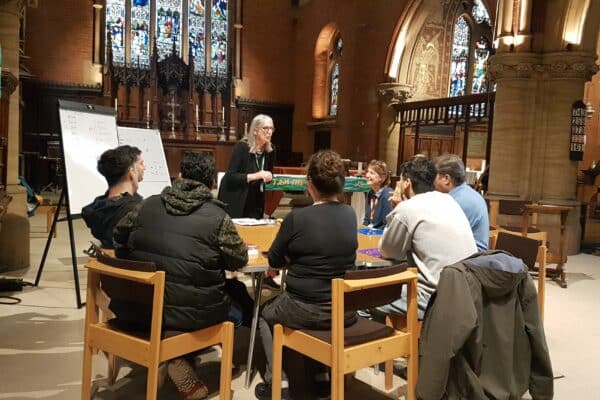
Joyfully, across the Diocese of London, we are aware of over 20 churches responding with Christ-centred love in practical, welcoming ways: from running English classes and conversation groups for different levels, informal “English cafés” and drop-in speaking practise to more structured ESOL-style sessions with volunteer tutors.
Some churches offer 1-to-1 support, and signposting into accredited ESOL provision where that is the right next step. Because these groups are local, relational and often free, they are especially valuable for people who are new to the UK, anxious about formal learning, or unable to access college courses due to cost, childcare or shift work.
It also offers a chance for churches to build relationship with those who attend from their local area and, where appropriate, extend an invitation for who may be interested a welcome into the life of the church and of faith.
How can my church get involved?
To help more parishes begin or strengthen this ministry, we have created a practical toolkit for any church interested in setting up English classes or conversation groups. It includes step-by-step guidance on getting started, ideas for shaping sessions for different levels, and suggested approaches to welcome, safeguarding and signposting—alongside a curated set of useful links to trusted ESOL resources, local provision and teaching materials. It also includes some short case studies to get ideas from other churches of different traditions and their approaches to running English classes.
We also have additional resources for supporting refugees, migrants and asylum seekers on our response page.
Download Toolkit here
