In our churches, week by week, we say these words based on 1 Corinthians 12, before sharing the peace:
‘We are the body of Christ. In the one Spirit we were all baptized into one body. Let us then pursue all that makes for peace and builds up our common life’.
This image of the Church as ‘the body of Christ’ emphasizes our unity, diversity, and interdependence. In the context of Disability History Month, this reflection takes on profound significance, encouraging us to recognise and celebrate the contributions of members of our churches who are Deaf, disabled and neurodivergent as integral and equal members of the community.
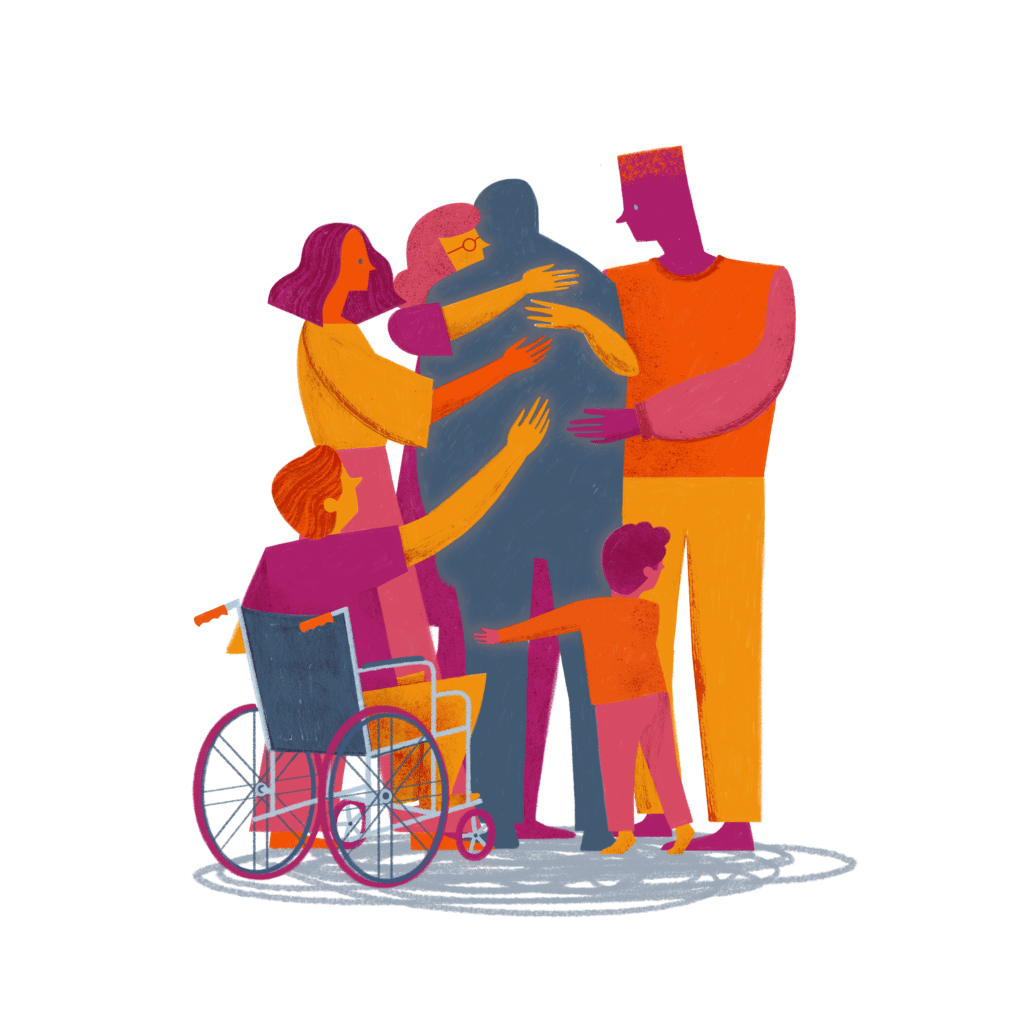
The phrase, ‘In the one Spirit, we were all baptized into one body’, reminds us that we are all part of the whole, with all of our differences. What unites us is not any common interest or opinion or any similarity that comes from our own efforts or construction. We are not all the same! We are united because God’s Holy Spirit has welcomed each one of us into God’s body. Each person brings their unique gifts, abilities, and perspectives. Those in our communities who live with what our society has chosen to call ‘disabilities,’ as each and every other member of the body, makes a contribution by their very presence that would be missing if they were not there. The body of Christ is diminished when we allow prejudice, misconception and exclusion to deprive us of the unrecognised and unexpressed gifts of disabled people. And so we need continually to work to ensure that every part of the body is able fully to express their belonging, to participate and bring their unique gifts to our worship and ministry, for there is beauty in this diversity.
I believe as a Diocese and as a Church we are getting better at righting some of the systemic wrongs of the past in relation to disabled people which have led to exclusion, but we have a long way to go, and we cannot drop our guard. Many disabled people in our churches come across barriers to full inclusion and participation which may be physical, social or attitudinal. So when we say, ‘Let us then pursue all that makes for peace and builds up our common life,’ these must not be empty words, but must lead to challenge and action wherever we see a lack of equality and justice for Deaf, disabled and neurodivergent people. This call is an invitation to create inclusive spaces where all people, including those who are Deaf, disabled and neurodivergent, feel welcome, respected, and valued. It encourages us to foster a spirit of mutual care and understanding, ensuring that we build a community where everyone can thrive.
During this Disability History Month I will challenge myself that every time I hear those words in the context of worship. I will think specifically of my Deaf, disabled and neurodivergent siblings, asking myself whether there is anything I can do to widen their access and participation. Is there anyone whom I need to notice and welcome? Is there anyone whose gifts and voice is missing in this community? What can I do to break down barriers to full belonging and participation for all?
Being the body of Christ challenges us to see that true community is not about everyone being the same, but about honouring the full spectrum of human experience and ensuring that all people are able to contribute to, and benefit from, the common life of the Church.