
Amid the climate and nature crises, Sue Willsher, our Net Zero Carbon Programme Lead, reflects on why hope matters and how it can guide action. Drawing on insights from a national emergency briefing, she reminds us that solutions exist and that the Church can lead through faith, hope and love—by committing to net zero, improving energy efficiency, and inspiring communities to act for creation and future generations.
Hope is a discipline. This was a somewhat throwaway comment near the end of a national briefing I recently attended on the joint crises of climate and nature, but it stayed with me.
In the face of overwhelm, we need to hold onto hope. And as Christians, we know this deeply. The Bible reminds us to be joyful in hope, patient in our struggles and faithful in prayer (Romans 12:12).
Be joyful in hope, patient in affliction, faithful in prayer.
In the face of difficulties and challenges that we know we’ll face in our lives, we put our trust in God and have a firm foundation built on faith, hope and love (1 Corinthians 13:13).
And now these three remain: faith, hope and love. But the greatest of these is love.
As Christians, we can act out of that faith, hope and love.
Our Climate and Nature in Crisis
At the National Emergency Briefing in Westminster, organised by professors and other leaders to give clear briefings to MPs, business leaders, faith voices, cultural and sport figures, and community leaders. The briefing gave a comprehensive warning on the impacts of the growing climate and nature crises, how it affects so many aspects of our lives, and what we can do in response.
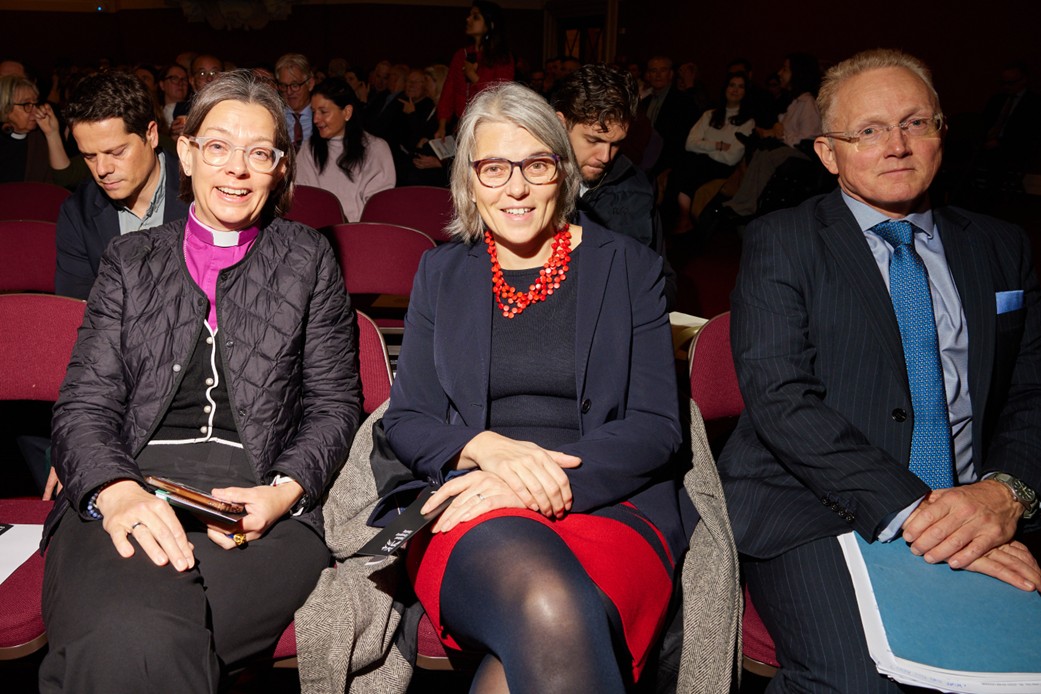
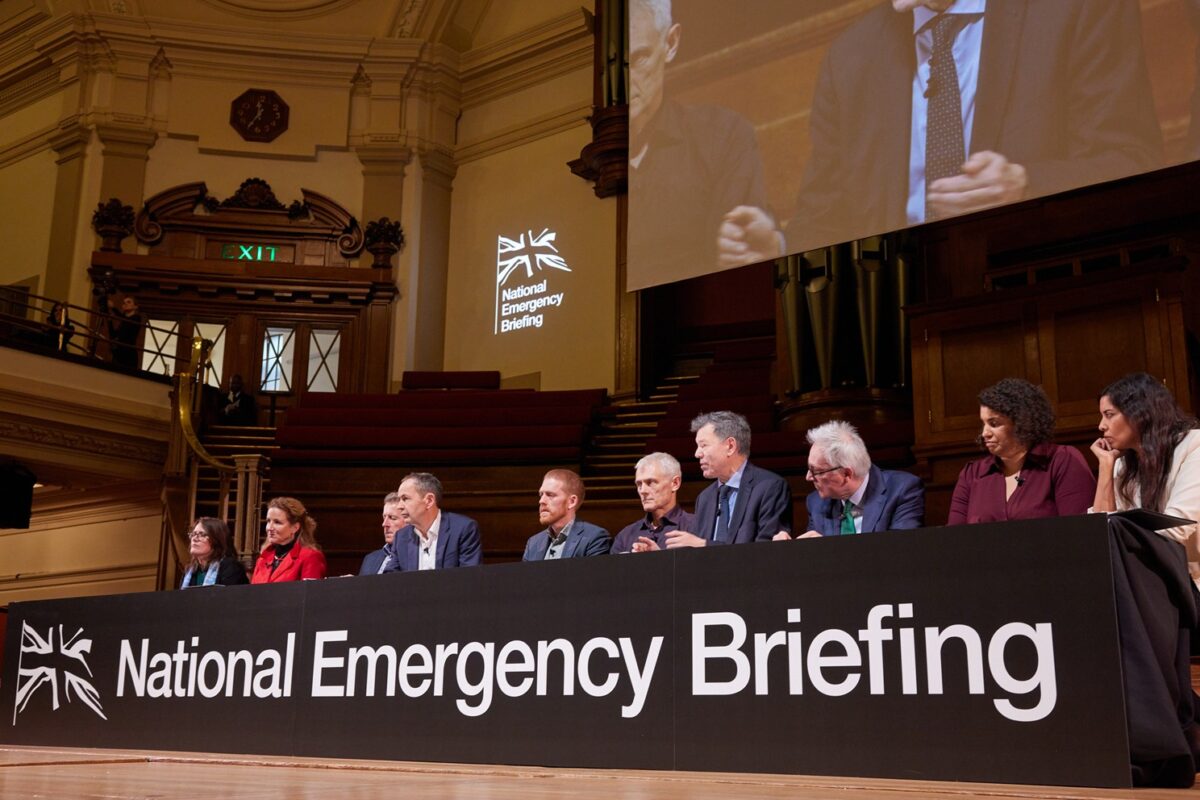
It was certainly a sobering experience and although I’ve worked in the climate space for about 15 years now, it was a stark reminder of the devastating consequences we currently face. I heard about the impacts for the food on our plate, our NHS, our farmers and our homes – to name just a few. With the increase of weather extremes, it’s perhaps no surprise that about one-third of food inflation price rises are driven by such extremes, and how 12 million UK households are struggling to pay their energy bills. Our cost-of-living crisis is intricately linked with our climate and nature crises.
Hope in the Face of Despair
When faced with a crisis, it’s so much easier for us to take it seriously and act when it’s urgent and obvious in our lives – a health scare, damage to our home, loss of income – we’re hard-wired for this. But the science on climate change and nature is clear: as a country, and globally, we are facing huge losses and risks to our food supply, energy security, biodiversity, national security, economic growth and health. All these impacts are interdependent too, and the climate crisis can make other risks and problems worse.
But I was also reminded that the solutions exist, are well known, and the changes that we can make to protect and enhance nature and our wider environment are also good for us, our health, and economic growth. For example:
- We can lower our energy bills by making our homes and churches more energy efficient and invest in renewable energy generation such as solar, which contributes to improved energy security.
- We can improve our health and save money by eating less meat, in particular red meat, alongside more walking and cycling, whilst helping to reduce emissions from food, increase land for biodiversity and help save billions for the NHS.
Many sources of emissions are what we might call ‘structural’ and need our government to create the policies that shift and change this.
When we’re reminded of the facts, however hard they can be to hear at times, we can respond out of faith, hope and love, and not guilt, shame or fear. Faith that we are co-creators with God; hope that we can make a difference and inspire others to; and love for the world God created, and our brothers and sisters both near and far.
Church of England Response
I often get asked: can we meet net zero carbon by 2030 and what is the point of the Church or UK making progress when so many other countries and communities aren’t?
- Our action towards Net Zero Carbon will go beyond 2030, but every step of progress we take to reduce our carbon emissions within the Church of England is very much worth it. And through making this commitment to decarbonise, the Church Commissioners have released new finances that are being invested in our buildings – to make our churches fit for the future: more energy efficient, more affordable to run and to help create a warmer welcome.
- Despite climate and net zero misinformation, the majority of the UK public remain supportive of greater action on climate. Most of us change our behaviours by the influence of others around us. Every positive change helps, and the church can and should show leadership and action.
- Many countries, large cities and states, as well as businesses, are taking significant action – even in the face of leaders who are actively undermining that. We aren’t alone and there are many financial and public benefits to tackling the climate and nature crisis and reducing our dependence on fossil fuels.
Some people are propelled to action by fear and despair, but most of us need to feel hope and that we can make a difference. So, thank you – to all our churches working towards and achieving Eco Church awards; to those making small changes to the energy efficiency of their buildings; to those planning and fundraising for a switch to a net zero carbon heating option; and the churches installing temporary electrical heating this winter when your boiler has unexpectedly failed, giving you time to plan for a future net zero carbon system. Thank you for leading the change and inspiring others.
Take Action
Here is the link if you would like to sign onto the National Emergency Briefing letter to Kier Starmer and all media heads in the UK calling for the urgency of the climate and nature crisis to be recognised within a televised public briefing:
Follow the conversation: @nebriefing #climatecrisis #neb2025
You can now view all the speakers on the official YouTube channel