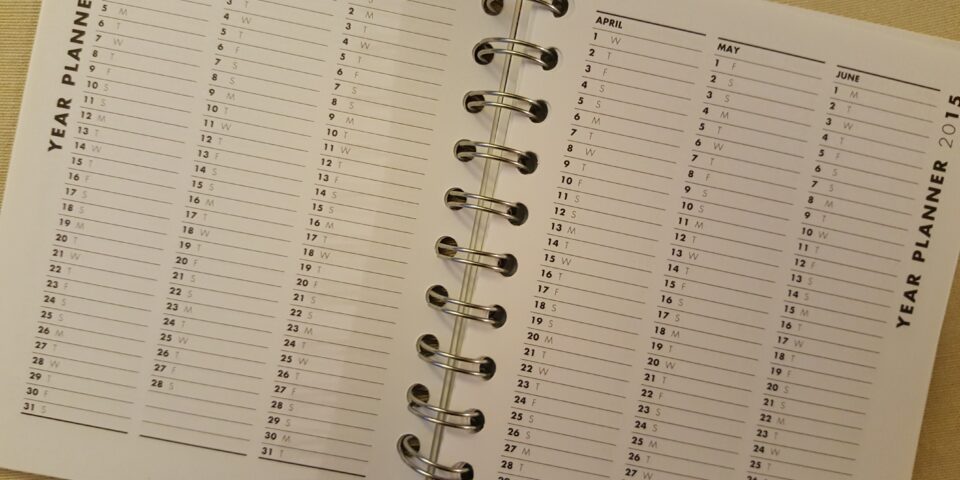
This is the last post on the youth blog for 2015! So, what has this year been like? We’ve had general elections, leadership elections, terrorist attacks, climate change conferences, football scandals, airstrikes, floods, earthquakes, car emission cheating, the refugee crisis and Donald Trump. But, as ever, the real story of the year lie beneath the headlines – the stories of normal people in difficult situations rising to a challenge, or above the anger. And stories of success hardly ever make the news.
When we look back at our youth work year, it can seem a little bit like that. We can list the headlines and the more difficult times: the safeguarding incident, the broken table-tennis table, the angry parent’s letter, the trip to A&E, the disagreement with the vicar, the drop in numbers, the mass desertion of volunteers, the graffiti in the toilets… We can forget all the good things as it’s only the incidents which demanded our attention (for all the wrong reasons) that stick in our heads.
But, as we approach the end of 2015, try to turn that on its head. Get some blank paper and a pen (or use your favoured brand of tablet/smartphone, I won’t judge) and:
- Write down all those ‘bad news’ stories. List the issues, problems and anxieties that the last 12 months brought you. If you like, write down a little bit about each one – perhaps a description of what happened or your thoughts and feelings after the event. Acknowledge each one, and then set it aside. You’re not discarding these events or saying they’re not important (particularly if there are elements that still need to be dealt with). You’re simply getting them out of the way so that you can see the good.
- On a different piece of paper, think about all the good things that have happened this year. Think big! Think small! Don’t let any of the things that God has done get passed you, no matter the scale. Perhaps you’ve started a group where young people are growing, your PCC might have acknowledged that success can’t always be linked with bums on seats (or beanbags or whatever you sit on), maybe that young person (you know who I mean) has started to be less disruptive and more interested in faith. Remember the young person who wanted to know more about Jesus on the weekend away? Write that down. What about the laughs you had when the minibus broke down and you spent your whole, well-planned night out in a McDonald’s on the north circular? Include that on your list. Before long, you should have a full sheet of paper.
- Spend some time praying about both lists. Ask God to guide you through what this reveals about your ministry. If the same issues keep coming up, then is there something of your practice that you need to alter? If your successes are all in one area, do you put more resources into that to see growth? Or do you share resources out to have a more widespread impact?
- Have a cake. I’m not being flippant, it’s important to look after yourself and celebrate steps forward in your work. And if you don’t like cake
you’re a weirdotreat yourself to something you do like.
Self-reflection can be a powerful tool in hearing God and refining your ministry, so whatever method you use, make sure you spend some time looking back to inform your way forward. Just don’t eat the cake before you start. It doesn’t work like that.
Alex Taylor trains church workers for the Diocese of London, and is a keen baker.